





Eleventh MaSC Workshop and Meeting
16 – 20 September 2024
Washington, DC
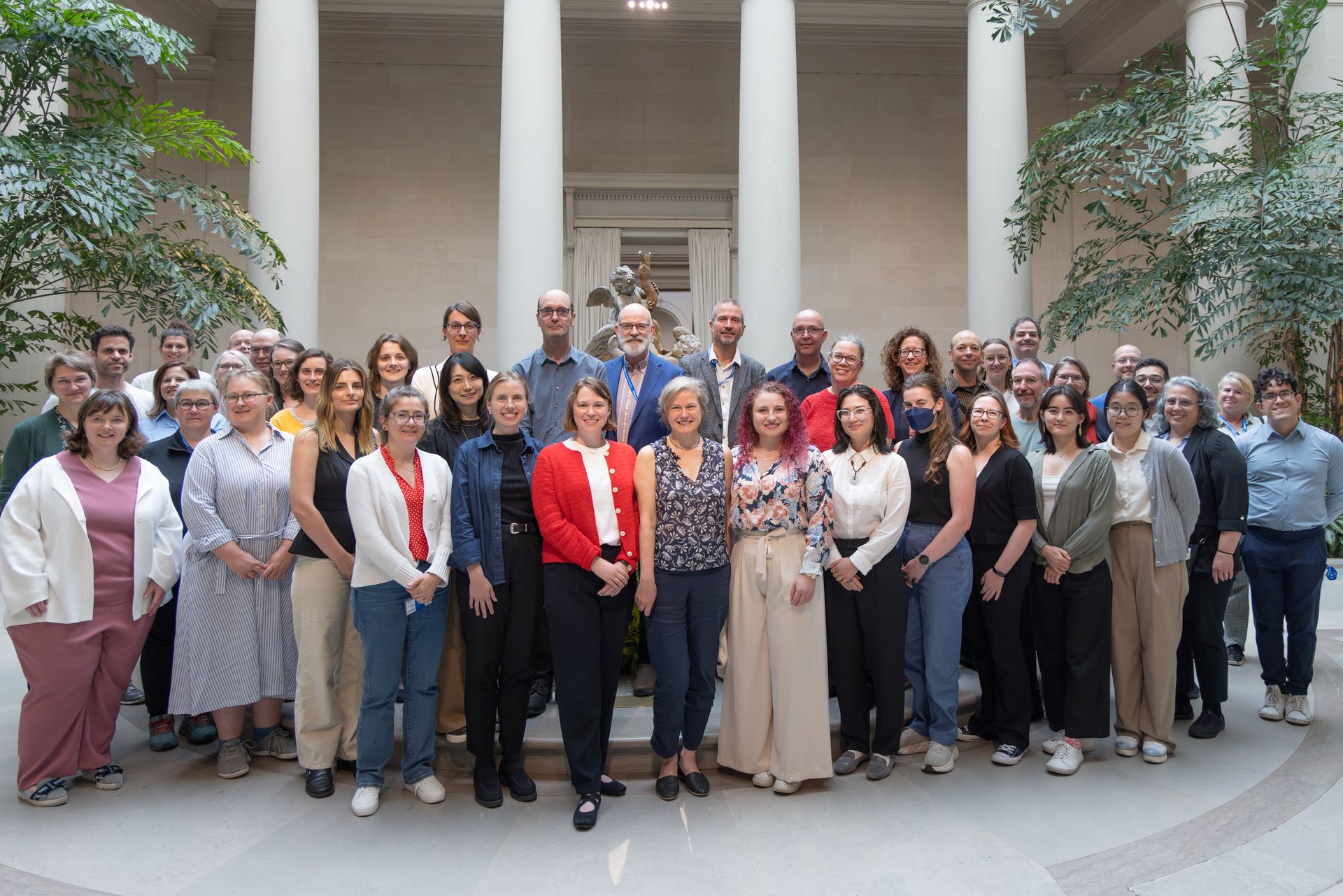
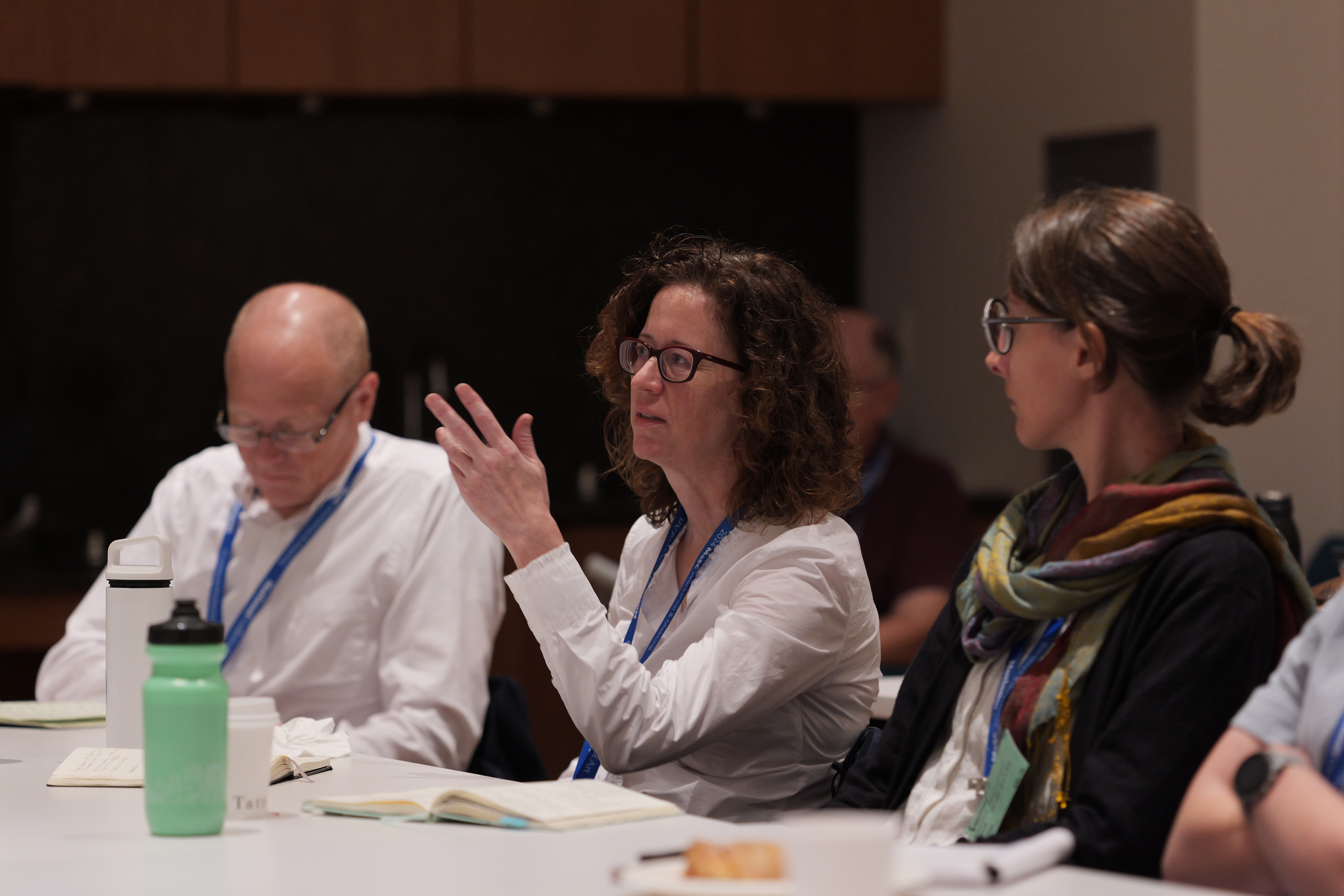
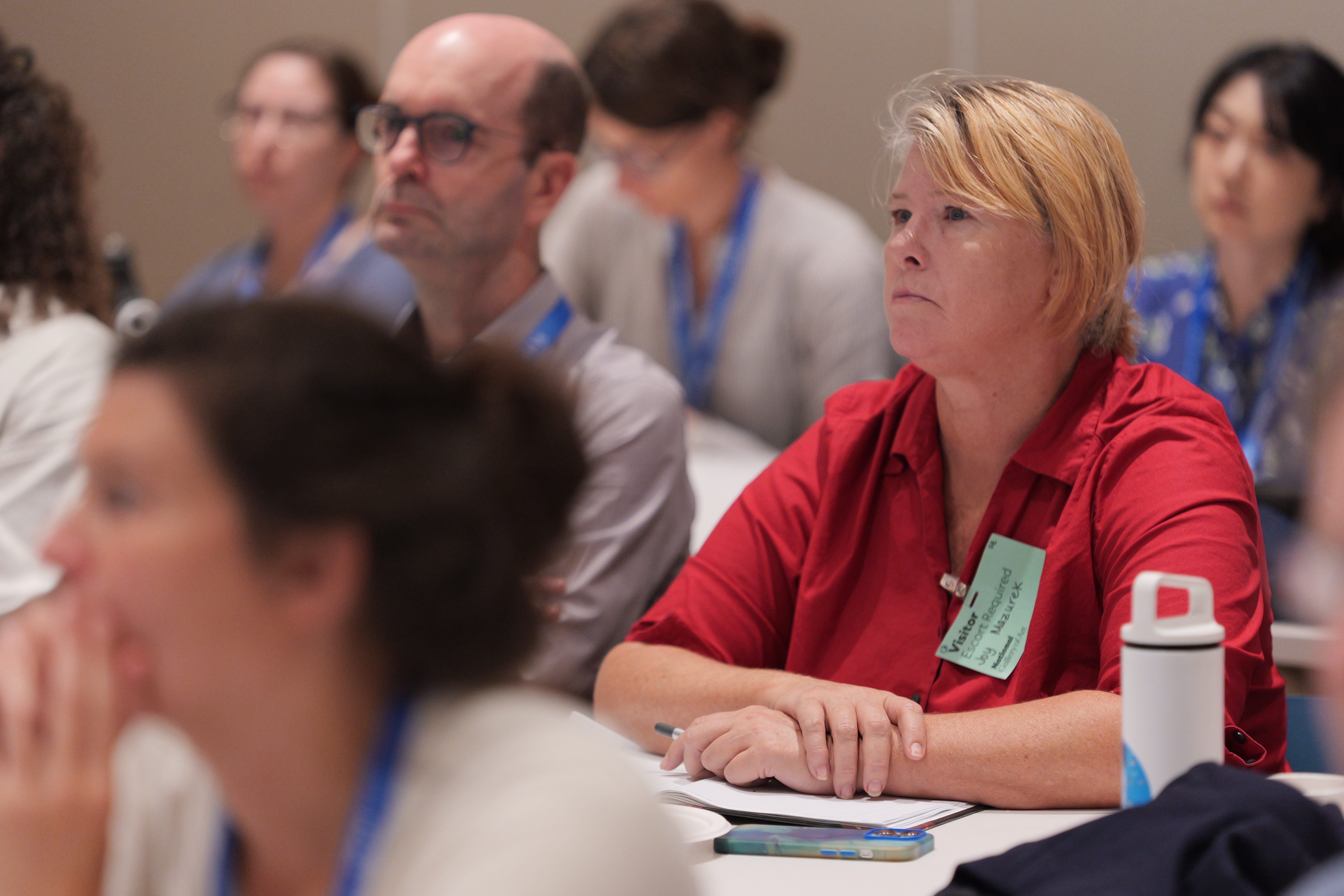
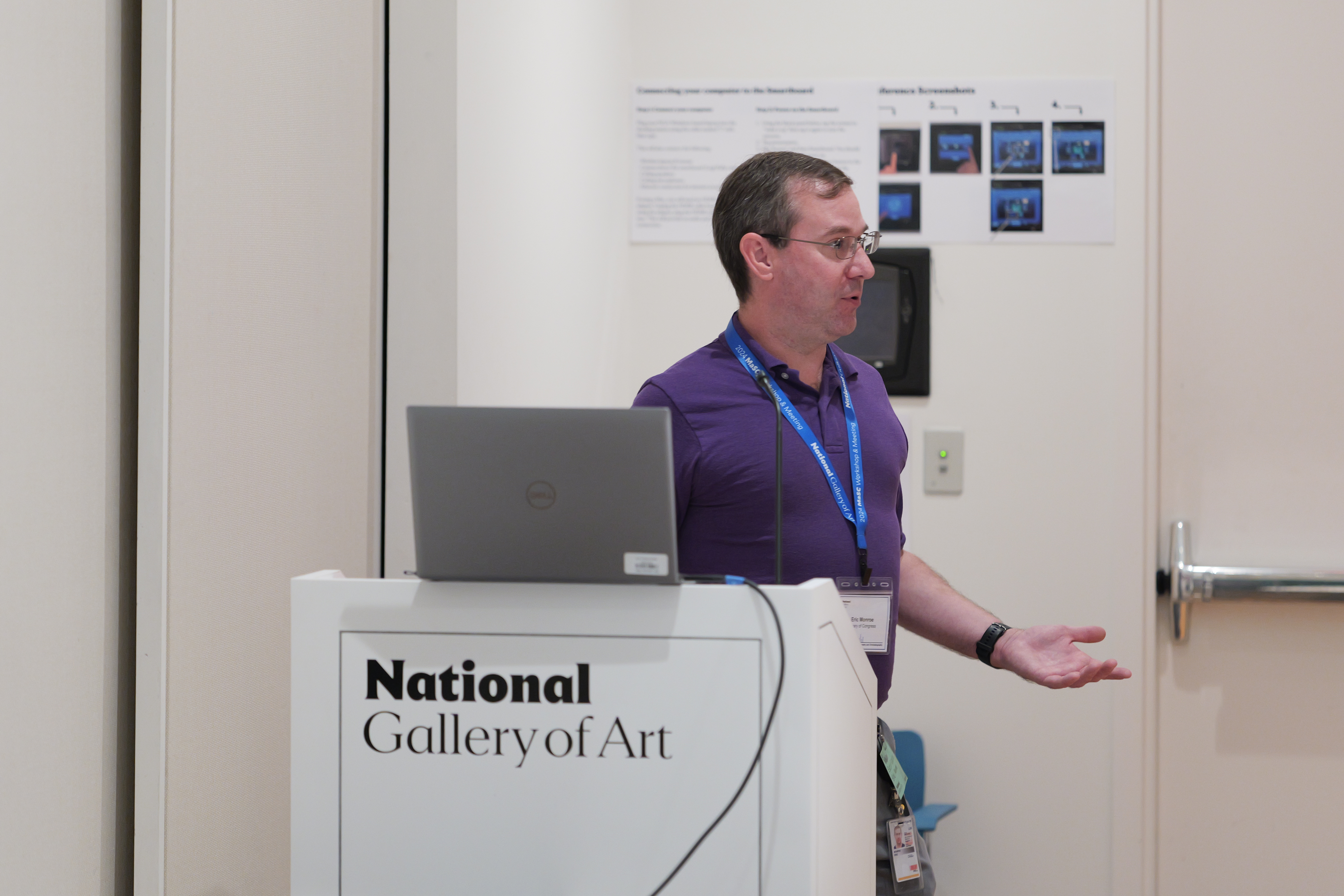
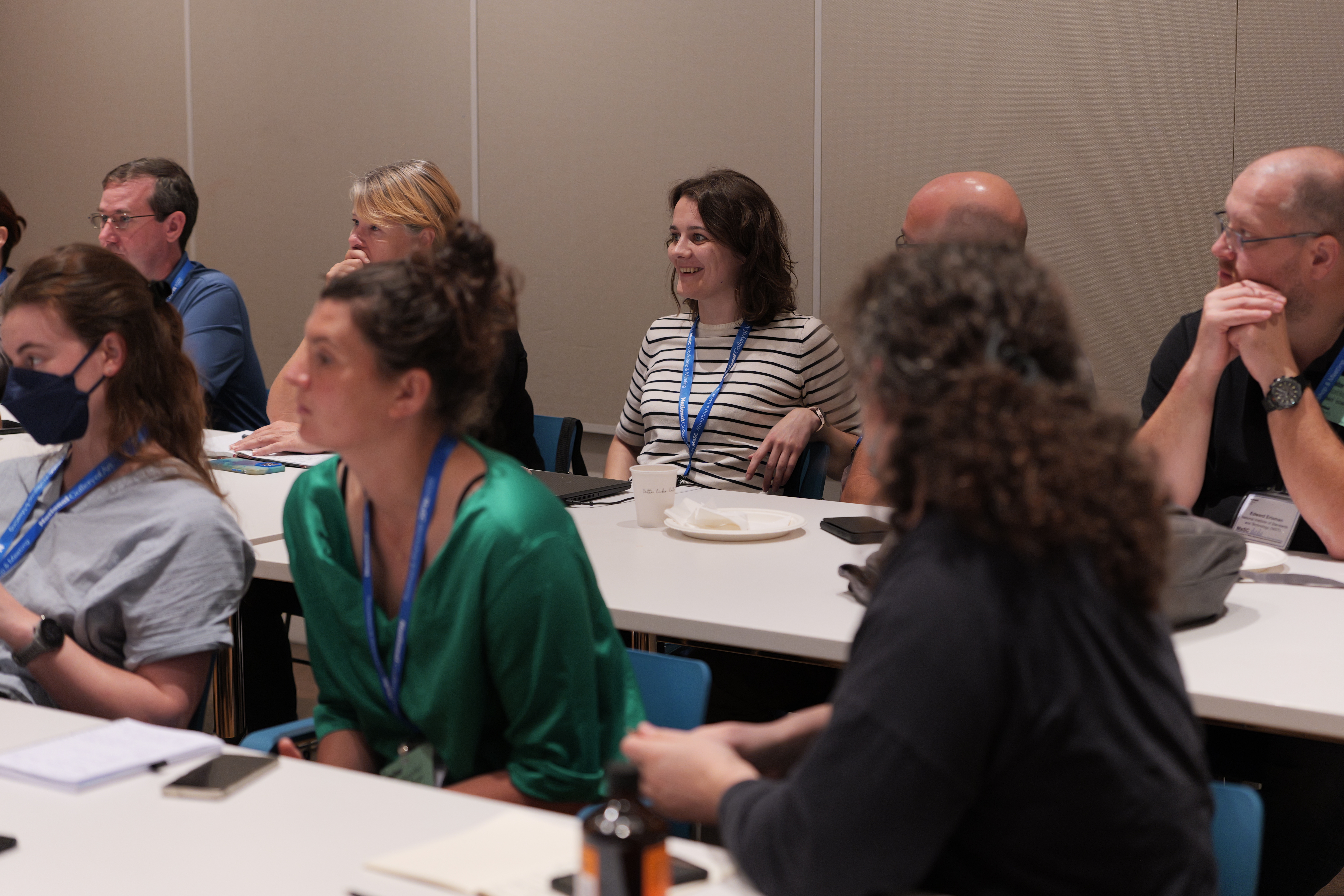
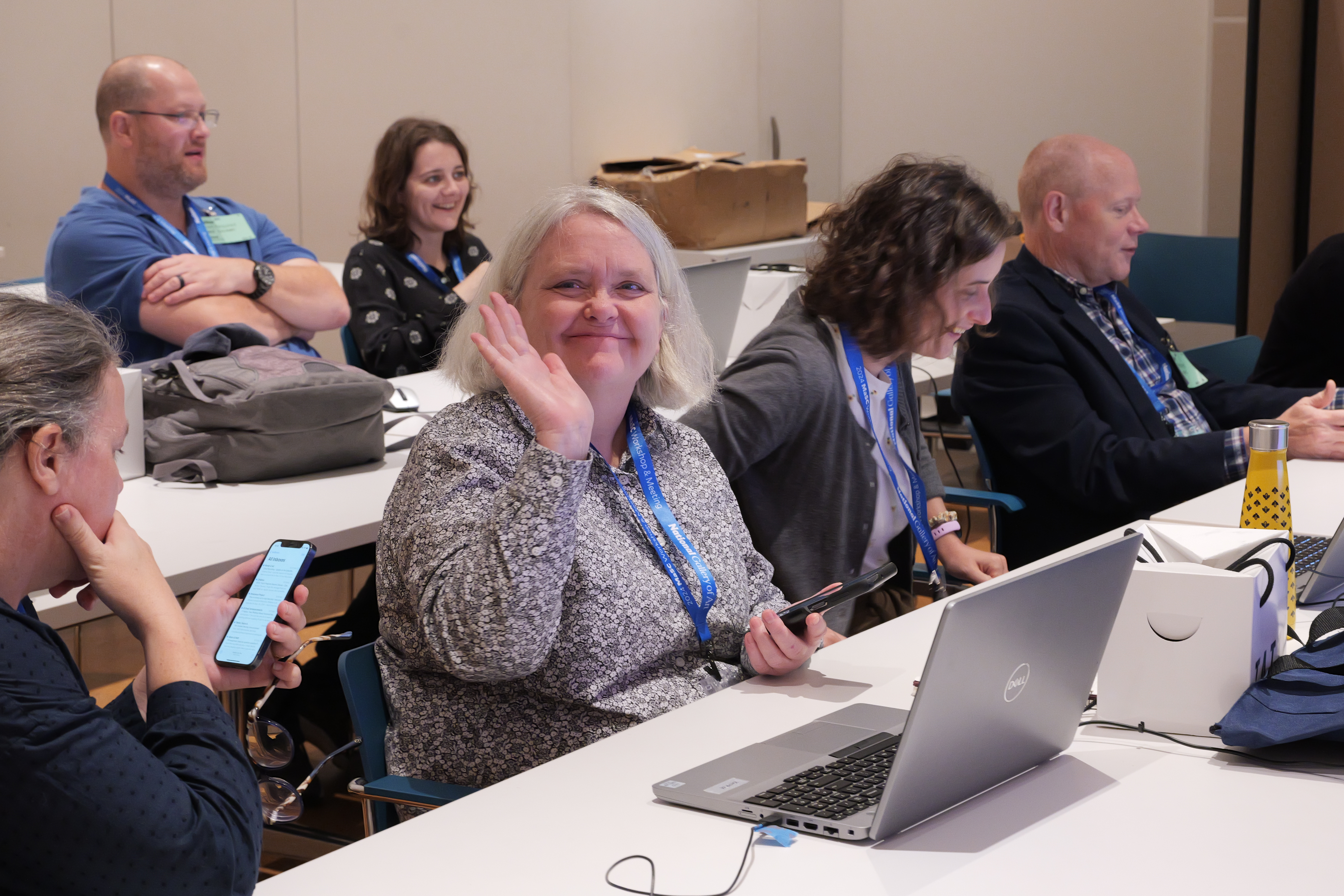
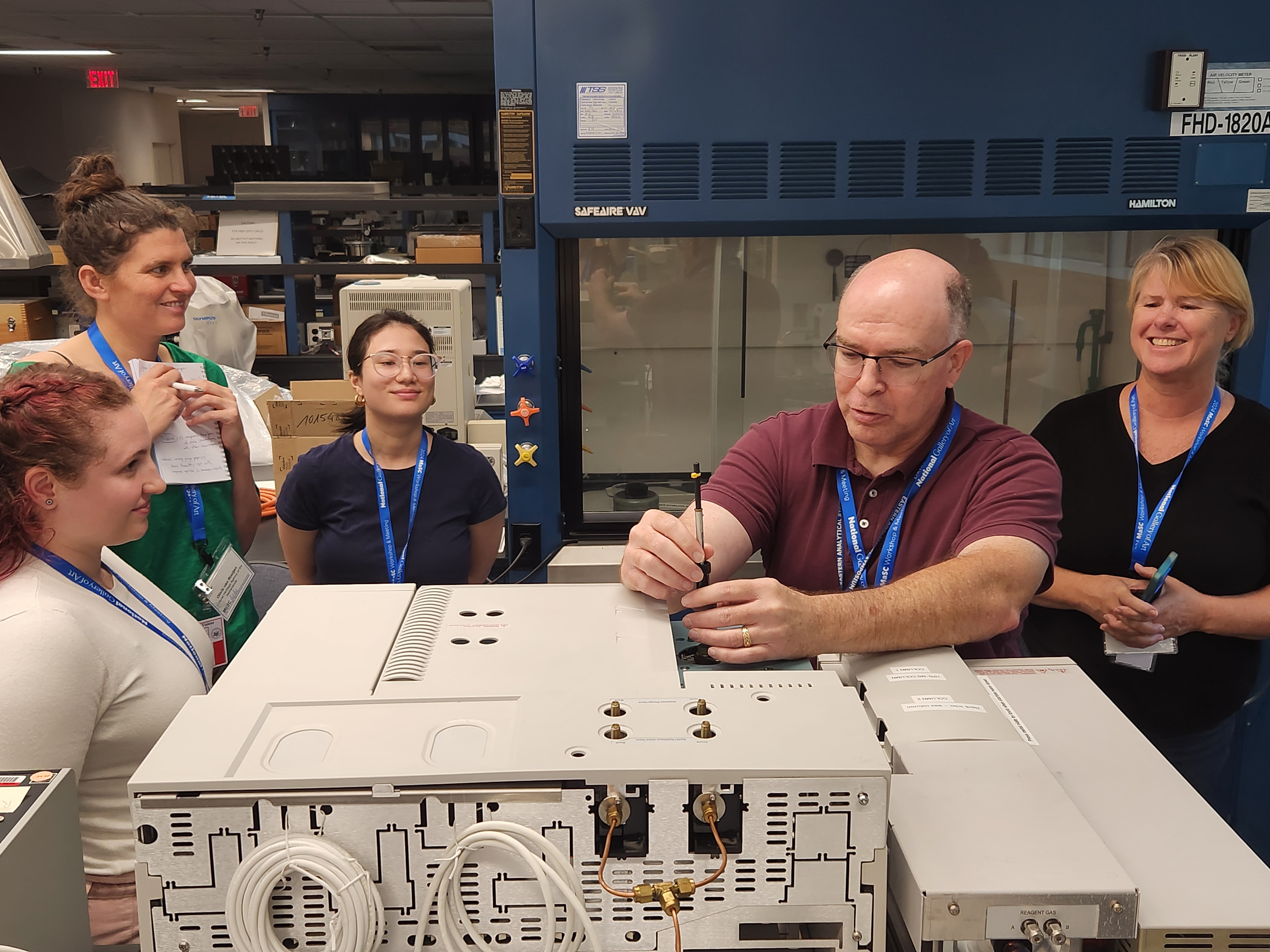
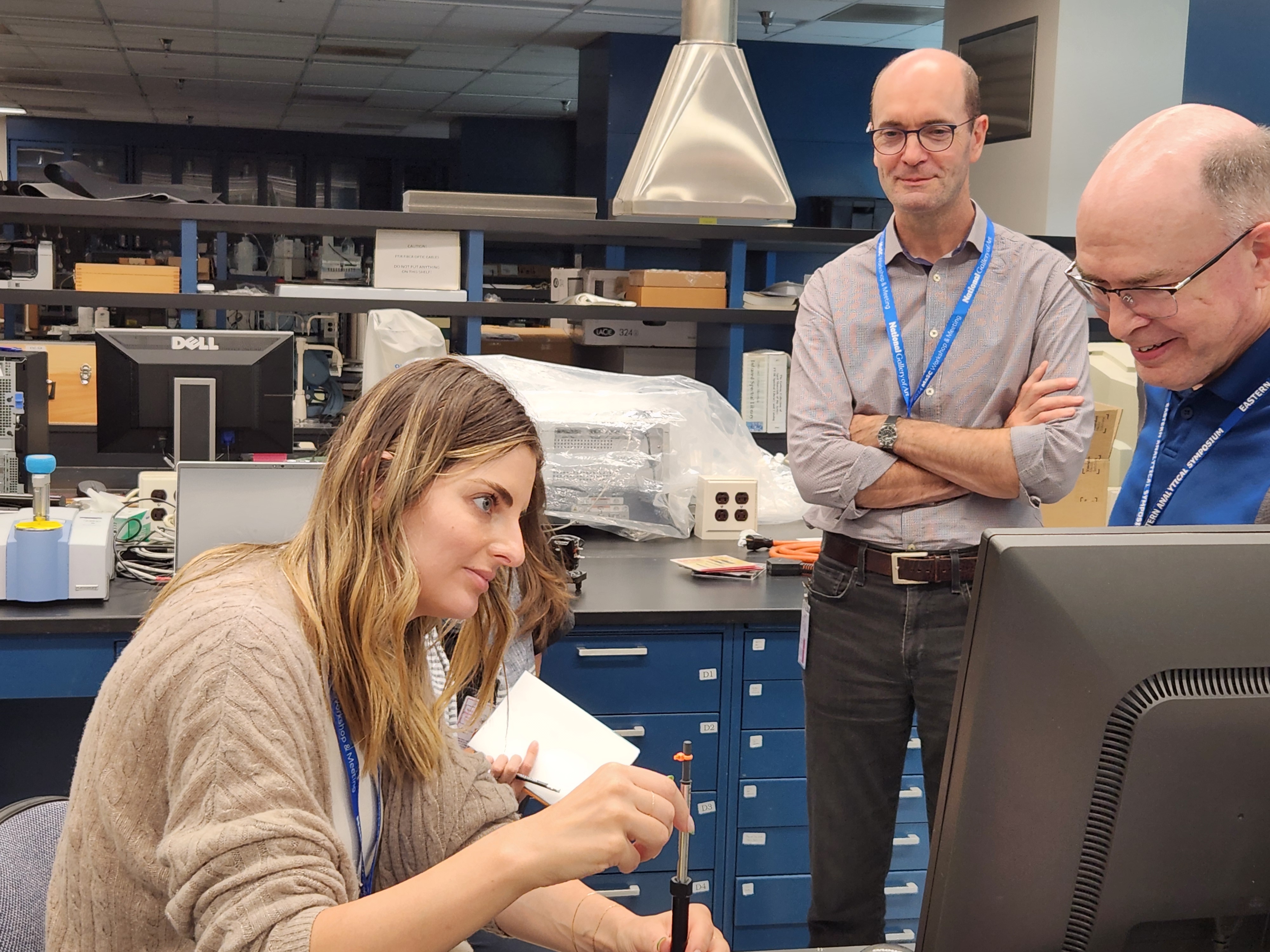
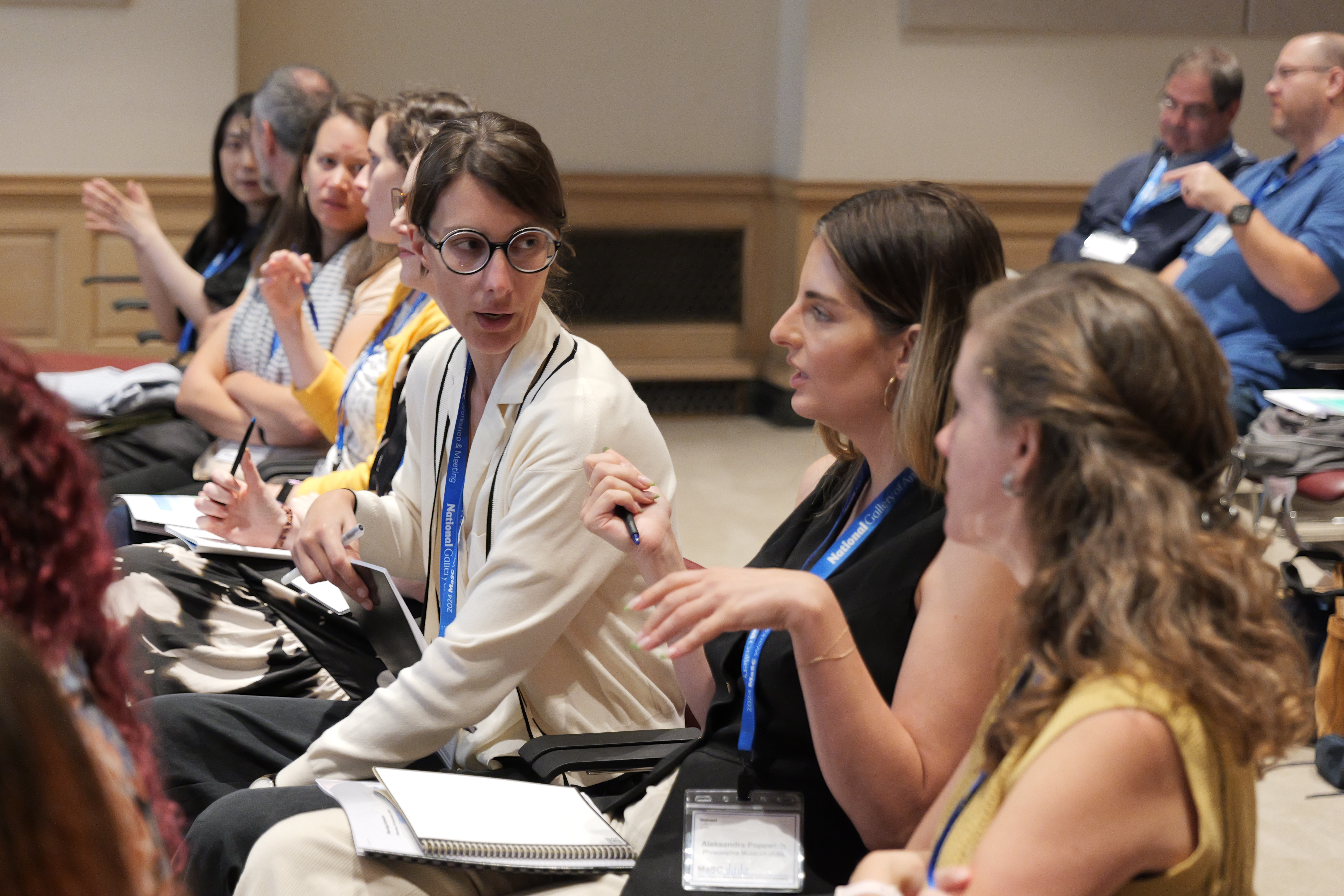
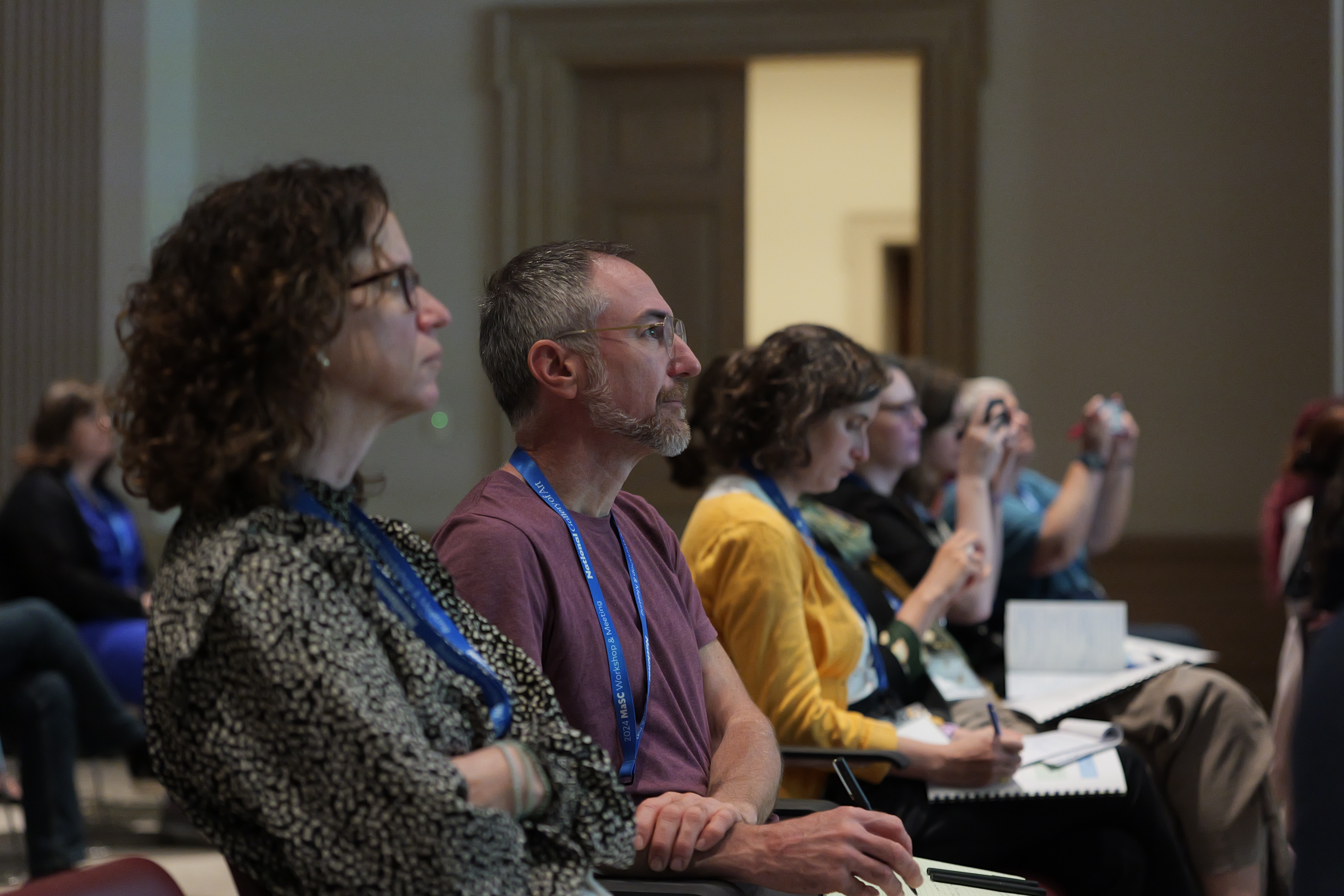
The 11th Workshop and Meeting of the Users’ Group for Mass Spectrometry and Chromatography (MaSC) was held in Washington, DC from Monday 16th – Friday 20th September 2024. The workshop took place at three locations: the National Gallery of Art (NGA), the Library of Congress (LC), and the National Archives (NARA) on 16-18 September. The meeting was held at the National Gallery of Art on the 19-20 September.
Workshop, 16-18 September 2024:
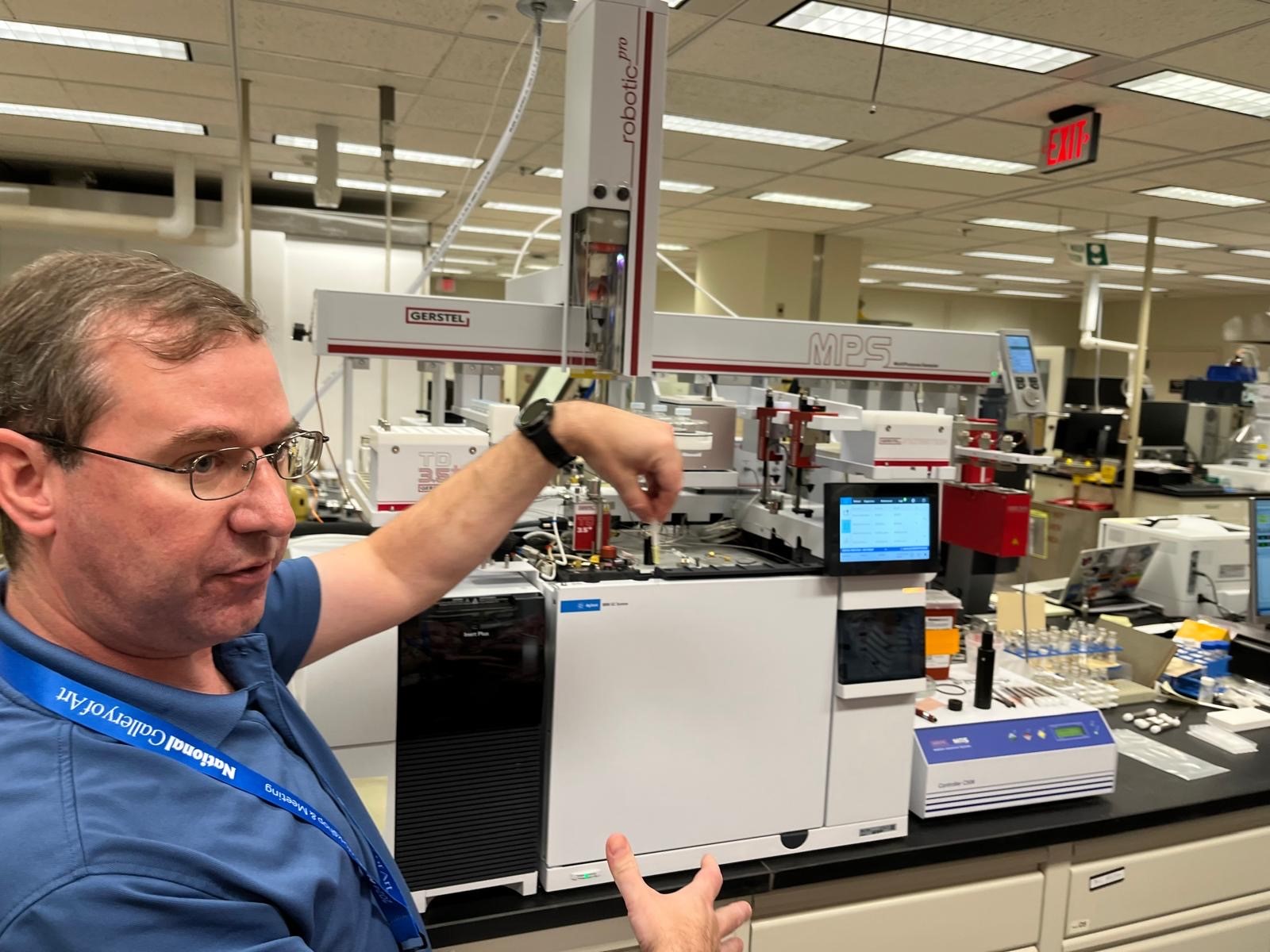
Analysis of volatiles from cultural heritage and exhibition and storage materials
Chromatographic and mass spectrometric methods for the characterization of volatile organic compounds have become highly sophisticated and versatile, and are finding increasing use for the study of cultural heritage materials, whether to study the composition of the works of art and historical objects themselves, or to evaluate exhibition and storage materials to ensure their safe use in proximity with valuable artefacts.
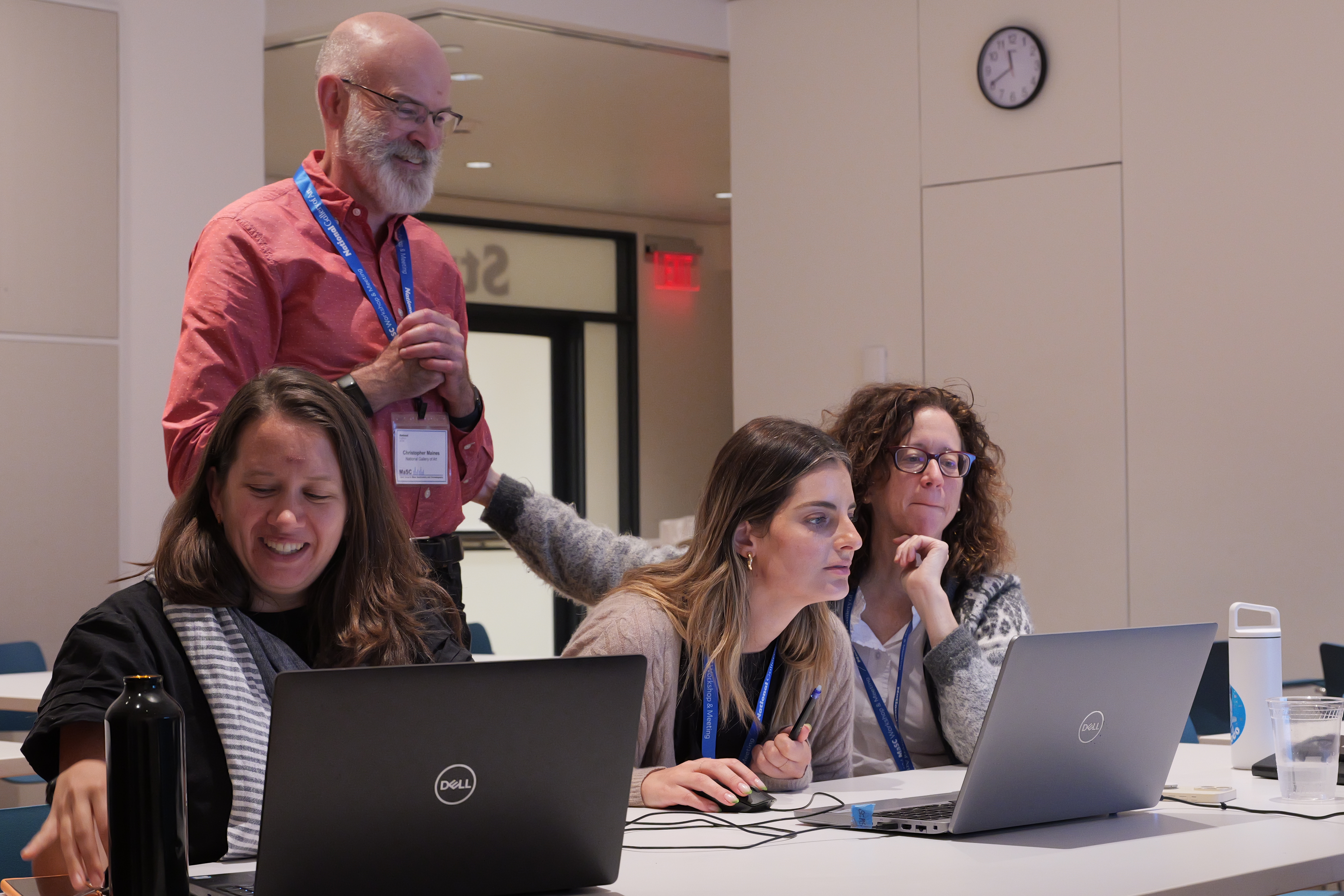
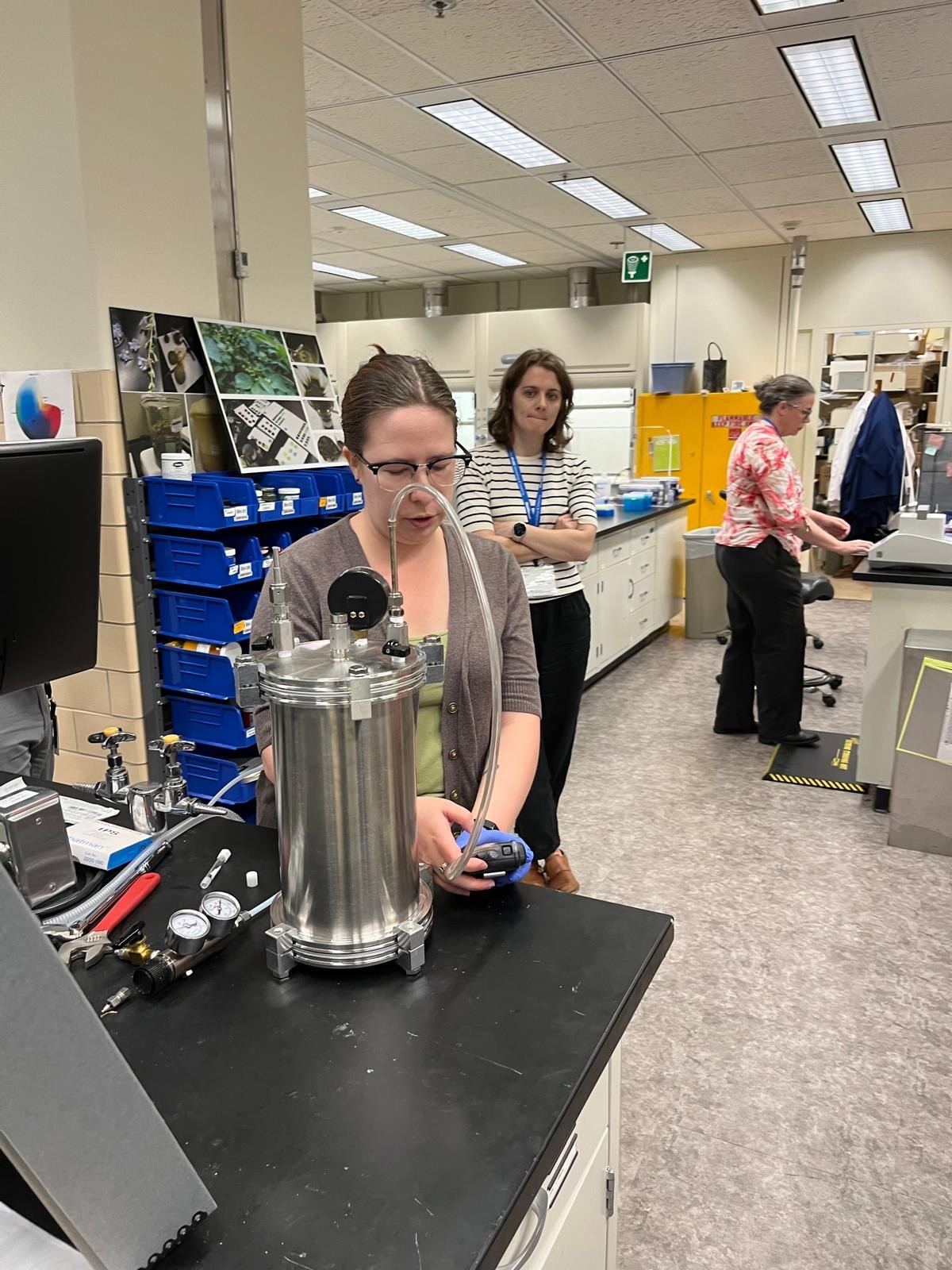
A three-day workshop exploring these methods was held at three venues in the Washington, DC area. The workshop was limited to 21 participants owing to laboratory space constraints.
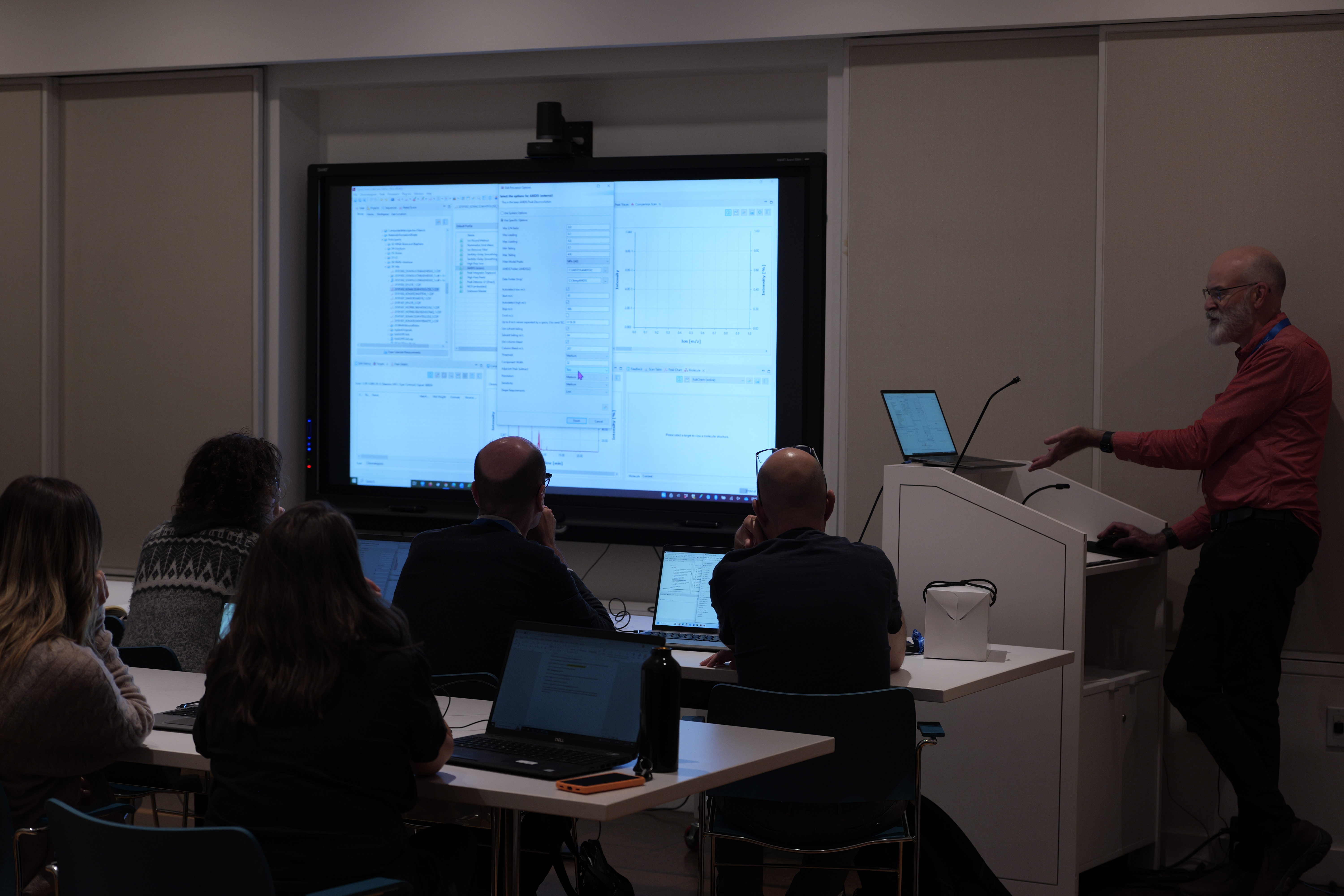
- National Gallery of Art – analysis of exhibition and storage materials using direct thermal desorption techniques, including data analysis and discussions of standardization protocols for data collection and data sharing and comparison among cultural heritage institutions
- Library of Congress – methodologies for collecting and analysing offgassing directly from cultural heritage materials
- National Archives at College Park, Maryland – solid-phase microextraction methodologies for collecting offgassing from book, paper, and other archival materials.
Meeting, 19-20 September 2024:
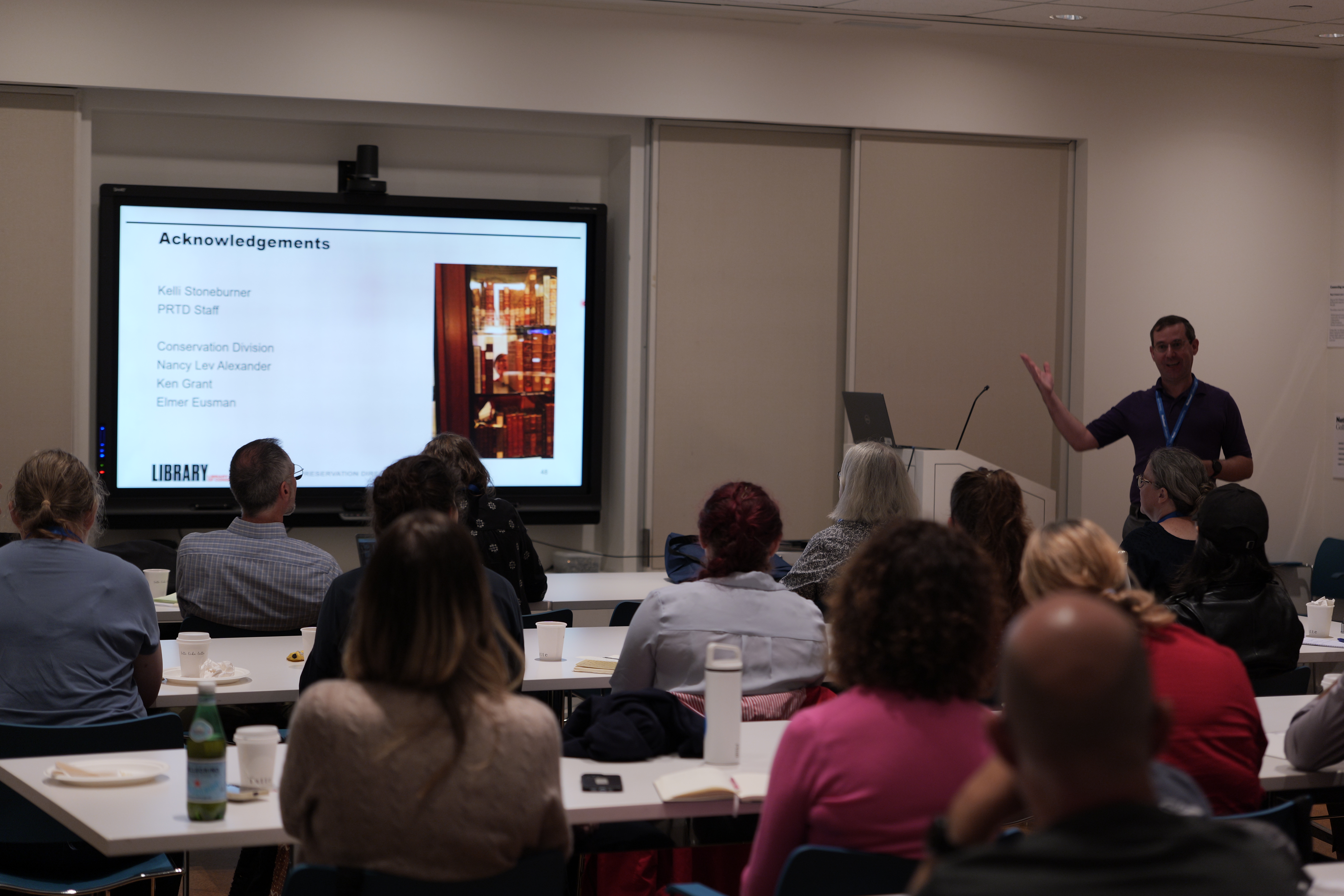
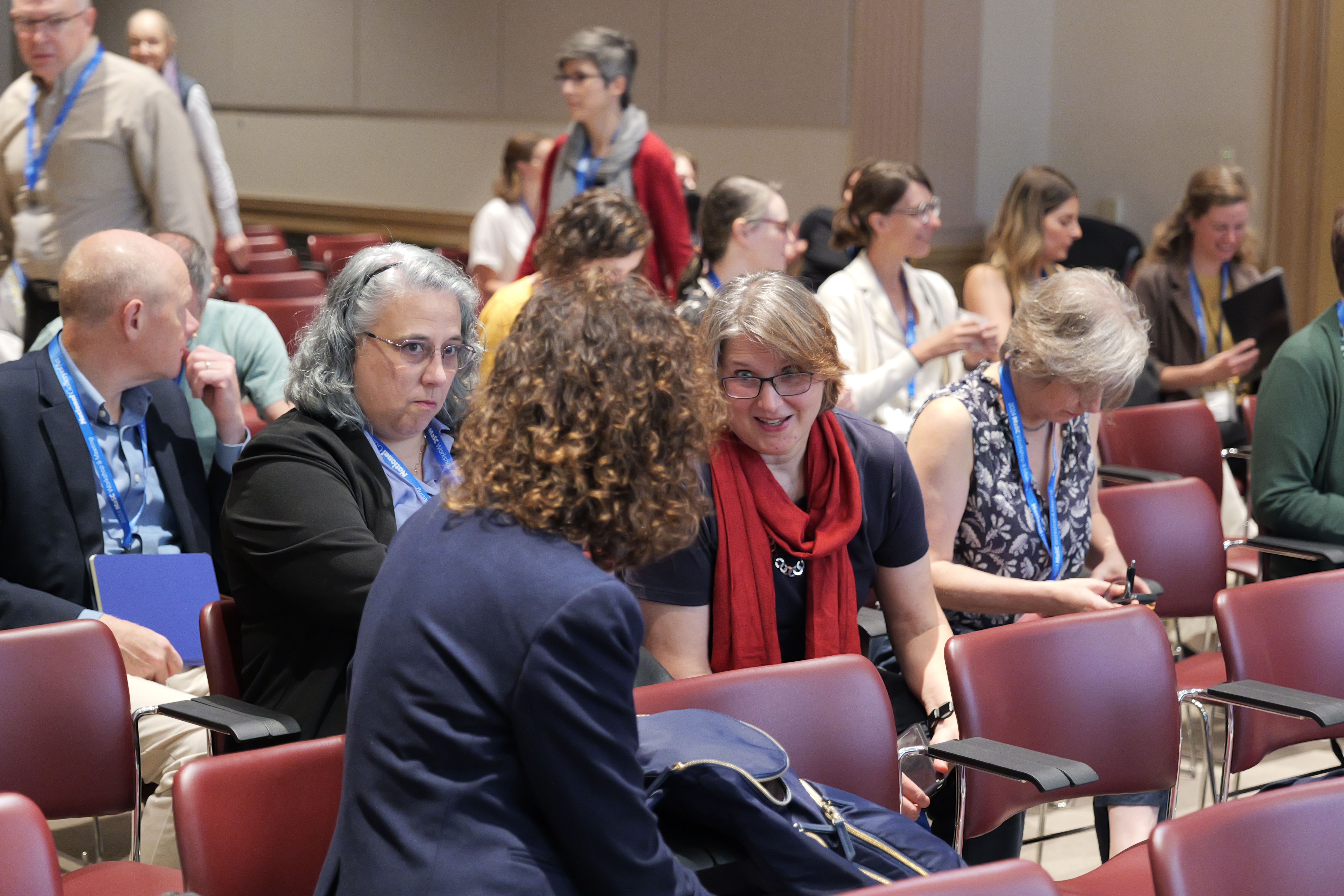
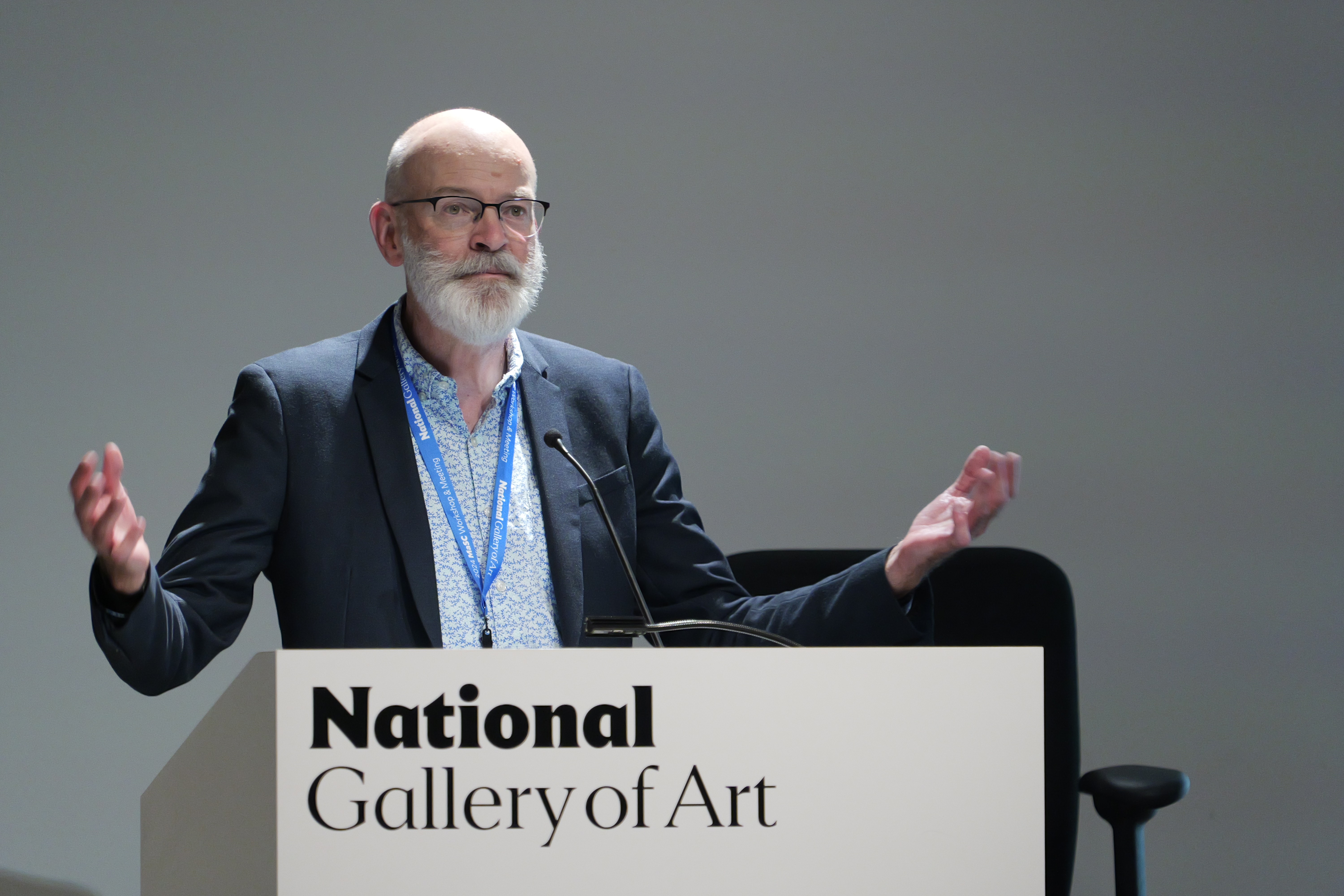
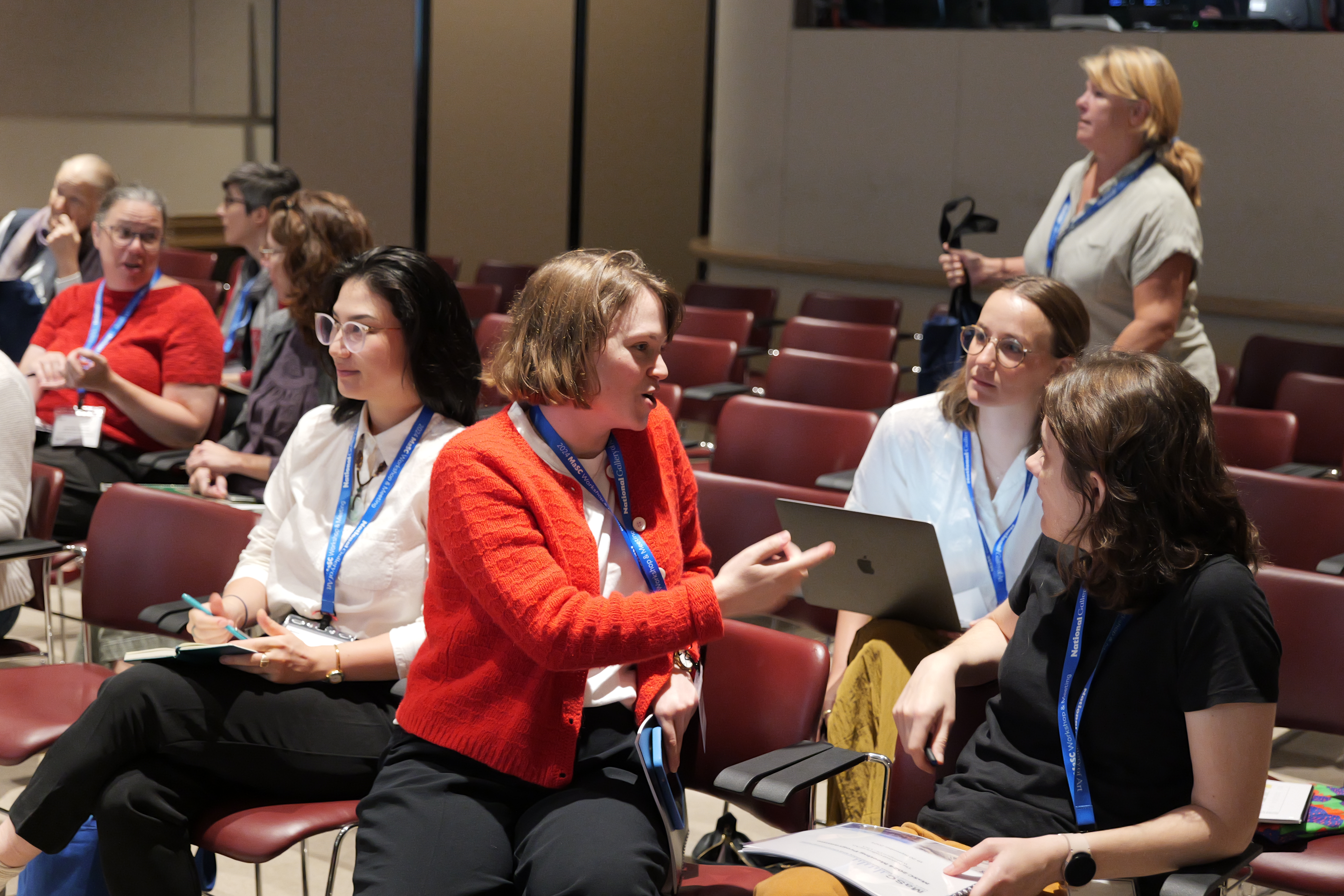
The meeting was held in the West Building Lecture Hall of the National Gallery of Art and will comprise discussions and presentations on novel applications of chromatographic and mass spectrometric techniques to the study of art and cultural objects. Presentations of studies related to the workshop themes are encouraged, but contributions on a broad range of topics are welcome. We hope to create an informal atmosphere for the exchange of ideas, and discussions of work in progress are encouraged.
Presentations at the 2024 MaSC Meeting – 19 and 20 September 2024
A review of sampling techniques and lessons learned for thermal desorption GCMS in application of cultural heritage
Kelli Stoneburner, Eric Monroe, Fenella France
Library of Congress, Washington DC
Characterization of VOCs emitted from heritage objects using TD-GC-MS-O
Emma Paolin, Fabiana Di Gianvincenzo, Irena Kralj Cigić, Cecilia Bembibre, Matija Strlič
University of Ljublana; University College London, London
Untargeted DTD-GC-MS Analysis for Materials Testing
Julia Bakker-Arkema, Rose King, Eric Breitung
The Metropolitan Museum of Art, New York NY
Investigating efflorescence found in exhibition cases with SPME sampling to evaluate volatile contaminant mitigation and object cleaning methods
Erin R. Birdsall, G. Asher Newsome, Susan Heald, John George, Gwénaëlle Kavich
Smithsonian Institution, Washington DC
A Detailed Examination of the Volatiles Produced from 150-year-old Cetacea using SPME and HS-SMPE-GCMS
Wren Montgomery, Fabiana Portoni, Jonathan Watson, Mark Sephton, Richard Sabin
Natural History Museum, London; Imperial College London
HS-SPME-GCMS to identify the materials used to create House of Hope by Montien Boonma
Catherine H. Stephens
Museum of Modern Art, New York NY
ESCAPE: save time, be precise, acquire knowledge in interpreting analyses of modern materials of cultural heritage
Nathalie Balcar and Michael Schilling
Centre de Recherche et de Restauration des Musées de France (C2RMF), Paris; Getty Conservation Institute, Los Angeles CA
Multi-functional pyrolysis applications for colored p-PVC – advantages and limitations
Teodora Raicu, Katja Sterflinger, Valentina Pintus
Academy of Fine Arts, Vienna
The past, present, and future of ESCAPE
Michael Schilling, Henk van Keulen, Nathalie Balcar, Jenny Poulin, and Mike Szelewski
Getty Conservation Institute, Los Angeles; Cultural Heritage Agency, Amsterdam; Centre de Recherche et de Restauration des Musées de France (C2RMF), Paris; Canadian Conservation Institute, Ottawa; Winterthur Museum, Winterthur DE
The NIST Database
Edward P. Erisman
National Institute of Standards and Technology, Gaithersburg MD
New approaches to non-targeted EI-GC-MS data analysis
Rose King, Julia Bakker-Arkema, Eric Breitung
The Metropolitan Museum, New York NY
Identification of polysaccharides in thermoset Anacardiaceae (Asian Lacquer) polymers using thermal degradation and gas chromatography based techniques
Jonas Veenhoven, Steven Saverwyns, Henk van Keulen, Frederic Lynen, Maarten van Bommel
Royal Institute for Cultural Heritage, Brussels; Ghent University; University of Amsterdam; Cultural Heritage Agency, Amsterdam
Composition of lacquers on lacca povera objects
Ursula Baumer, Charlotte Höpker and Patrick Dietemann
Doerner Institut, Munich; Bayerisches Landesamt für Denkmalpflege, Munich
Investigating Ancient Egyptian Mortuary Practices: GC-MS Analysis of Black Organic Coatings on Funerary Objects
Hitomi Fujii, Alicia McGeachy, Olawunmi Akinlemibola, Rachel Aronin, and Isabel Schneider
The Metropolitan Museum of Art, New York NY; Brooklyn Museum, Brooklyn NY
Animal, vegetable, mineral: Characterization of distinctive painting materials on a group of Bwa masks from Burkina Faso
Clara Granzotto and Ken Sutherland
Art Institute of Chicago
Detection of Gum Benzoin in Historical Varnishes Using THM-GC/MS
Louise Decq, Steven Saverwyns
Royal Institute for Cultural Heritage, Brussels
Molecular markers for heat pretreatment of drying oils: dicarboxylic acids (re-)revisited
Ken Sutherland
Art Institute of Chicago
Page last updated: 7 April, 2025
 MaSC
MaSC 